About Robert Yott
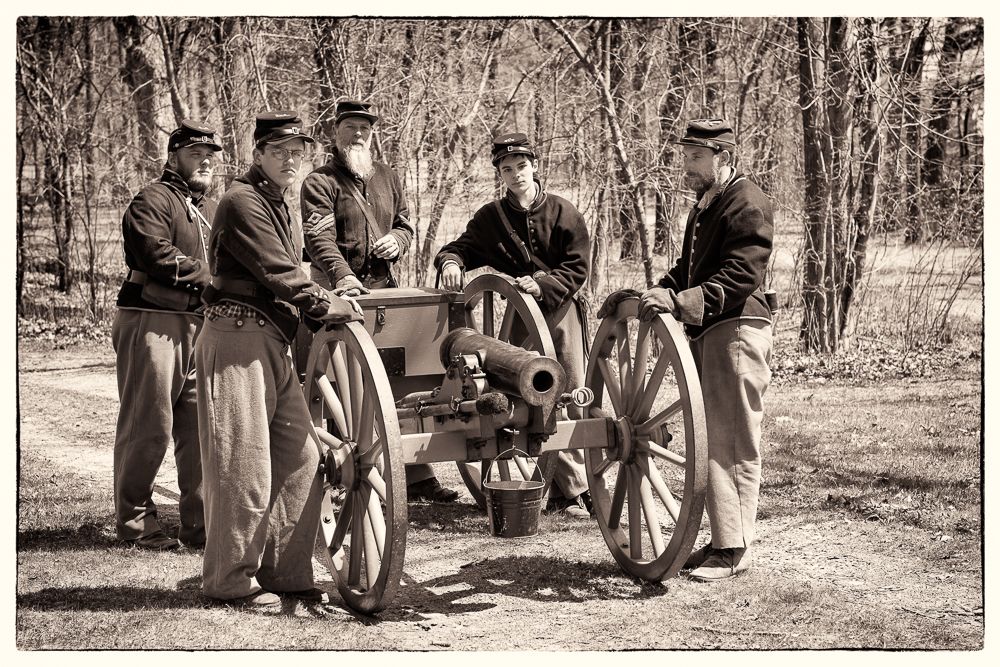
I was raised in Wyoming County, New York. My father was an avid gun collector and enjoyed competition shooting. In 1972, he joined the North-South Skirmish Association which consisted of teams portraying actual units which fought in the American Civil War. I was only seven but this experience would have a lasting effect on me. I became an avid reader like my father and my favorite subject was, of course, military history and the Civil War.
After graduation from Warsaw High School in 1982, I found myself working the midnight shift on an oil drill rig in the hills of Pennsylvania, the birthplace of commercial oil production in the U.S. A year later, after time with a cousin who was home on leave from the Army, I was convinced my next adventure would be in the military. I arrived at Fort Sill, Oklahoma in November of 1983 for my basic training and AIT. I was surprised to learn over half of our cadre had served in Vietnam. During my training as a paratrooper and field artillery, I couldn’t have hoped for better instructors. As I look back, though, I recall hearing very few of them speak of their time in Vietnam. Sensing a reluctance, I didn’t ask. Most of my four-year enlistment was spent defending Europe’s Fulda Gap against Soviet aggression.
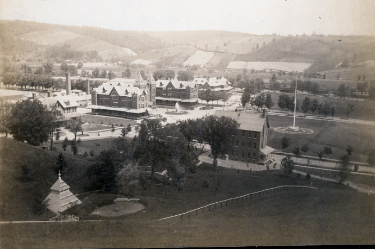
On my return to New York, I would spend the next 35 years in the construction trade. I moved to the Southern Tier of the state in 2001, within a few miles of the VA Medical Center in Bath, NY. From the moment I drove across the iron bridge that serves as the entry point, I could sense the connection to my Civil War history interests. Unfortunately, little was known of the facility; its history had been buried over time. I made it my mission to correct it. My free time was spent scouring the pages of old newspapers and locating lost annual reports.
Managers at the Bath VAMC supported my efforts by allowing me full access to the facility and its buildings and grounds. I also began volunteering at the museum on station as well. Alarmedat the condition of the building, I informed that managers that irreplaceable artifacts were being damaged by extreme climate conditions and a new location was needed. They agreed and soon, I was cataloguing the artifacts before moving them to their new location, as a result in 2004, I was selected to design the commemorative pin for the 125th anniversary of the Bath VA.
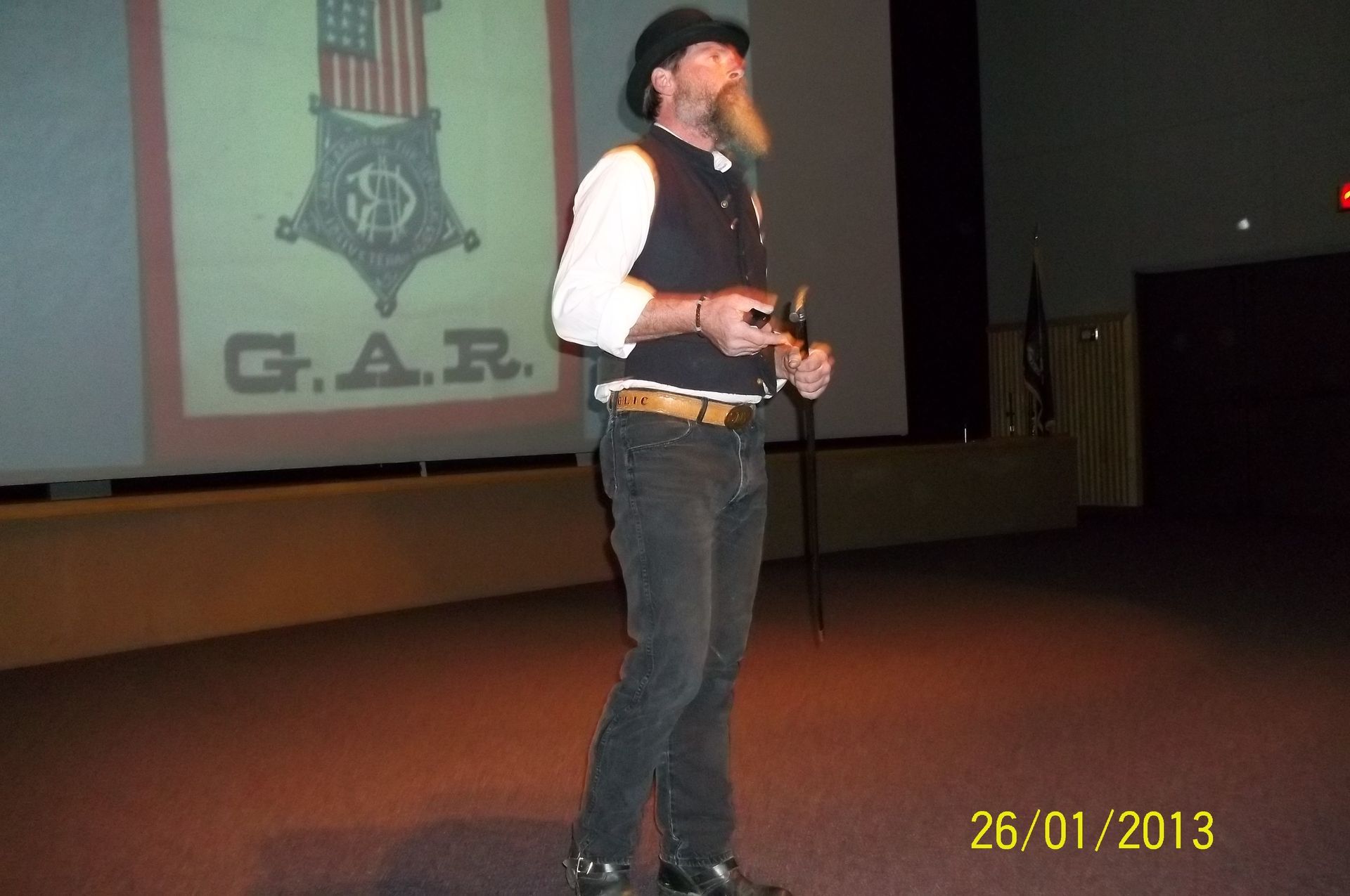
My intense research paid off with my first book, The New York State Soldiers Home was published in 2005. Described by one reviewer as “the definitive history of the Nation’s first facility of it’s kind,” more than 5,000 copies have been sold to date. I soon found I was scheduling speaking engagements from New York to Ohio.
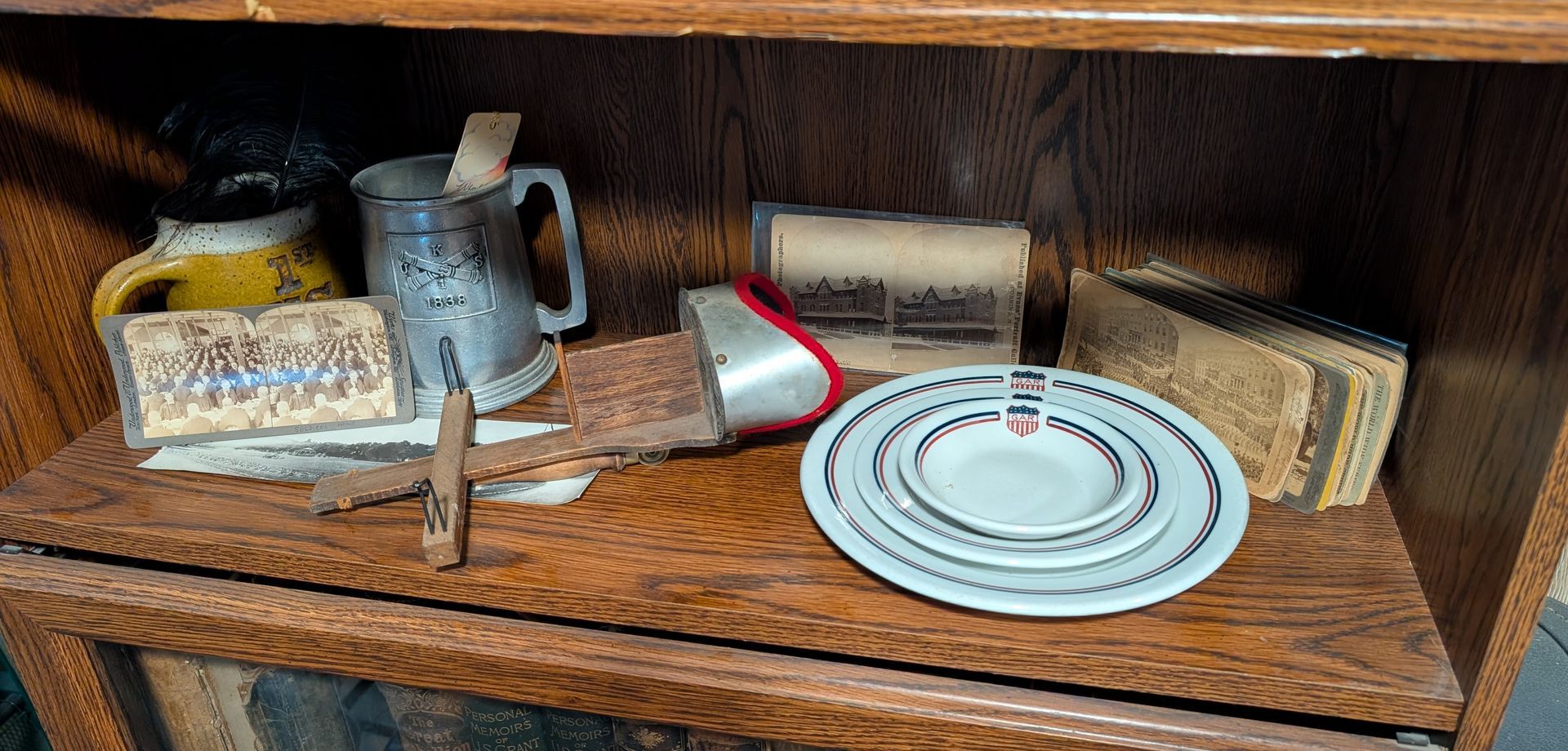
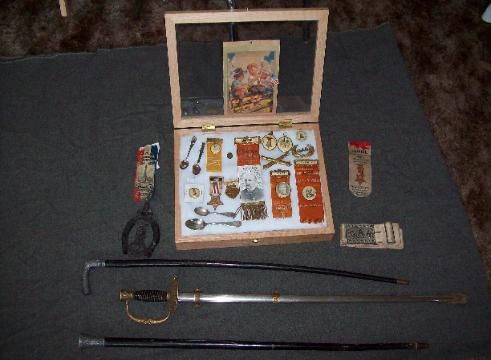
Among the many highlights was having my works cited in other publications by noted authors. I also received an invitation to be a guest speaker at the New York State Museum in Albany during their Irrepressible Conflict: The Empire State in the Civil War exhibition which ran from 2012 to 2014. They also had on display artifacts of the Bath Soldiers Home on loan from my private collection.
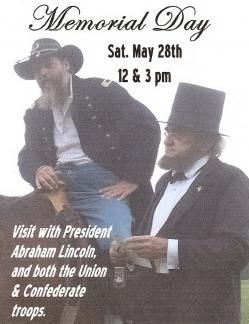
The release of my first book introduced me to the world of Civil War reenacting which led to my next writing assignment. My second book, The Soldier’s Vote is an overview of American history; from its expansion west, the Civil War, and the end of the Gilded Age.
As the 50 th anniversary of the end of the Vietnam War approached, I was reminded of a shopkeeper near my home while I was growing up and unexplained connections to the tragic effects the Vietnam War. I began speaking with Western New York family members and friends of the men who didn’t come home.
Those emotional and personal conversations fueled my drive to offer a brief sketch of each man’s life and offer those veterans an opportunity to share their experiences and their hopes and dreams. I wanted future generations to know these men were more than just a name on a wall.
Unlike veterans from America’s previous wars, when service members from Vietnam came home, they were often derided and ostracized. Many had difficulty finding work. Despite their honorable service, many never shared their experiences; some actively hid their service.
As I reached out to Vietnam veterans, I often encountered those who refused to share their time in Vietnam. I’m happy to report my third book, Vietnam: A Look Back, carries the stories of 75 veterans, 25 of whom never returned home. I’m even more pleased that many veterans who have read the book have now offered to share their own experiences. A second edition is now in the works.
The success of these books has presented my unique opportunities for me which I never could have achieved without my love of reading and history which I had inherited my father.
Proceeds from my works are being used to honor our veterans. My first purchase to a bench dedicated to those who served in Southeast Asia placed in the Bath National Cemetery. My offer was graciously accepted by the director of the BNC and his crew labored tirelessly to have the bench placed in May of 2025; 50 years after the Fall of Saigon.